
News story posted 11 March 2026
A new, potentially practice-changing prostate cancer trial is opening at The Christie.
Researchers will investigate whether halving the dose of hormone therapies such as abiraterone and enzalutamide can offer patients the same life-extending benefits but with fewer side effects.
These hormone-blocking drugs are highly effective but often come with potentially debilitating side effects such as fatigue, hot flushes, and high blood pressure.
The ENHANCE study will recruit 1,500 men from hospitals across the UK. Crucially, at least 10% of participants will be Black men – a group that has historically been underrepresented by research. The £3.2m study is being funded by Cancer Research UK (CRUK) and Prostate Cancer UK.
If successful, the findings could influence prostate cancer treatment guidelines in the UK and internationally as early as 2030.
For some men, the benefits of reduced-dose treatment are already clear.
Retired solicitor Jonathan Edwards, 80, from Cheshire, is among a group of patients whose positive responses to reduced treatment helped validate early research findings.
Diagnosed with prostate cancer at the end of 2024, Jonathan struggled badly with the side effects of the hormone-blocking drug enzalutamide. When his nurse at The Christie reduced his dose, his cancer remained under control and his quality of life improved dramatically.
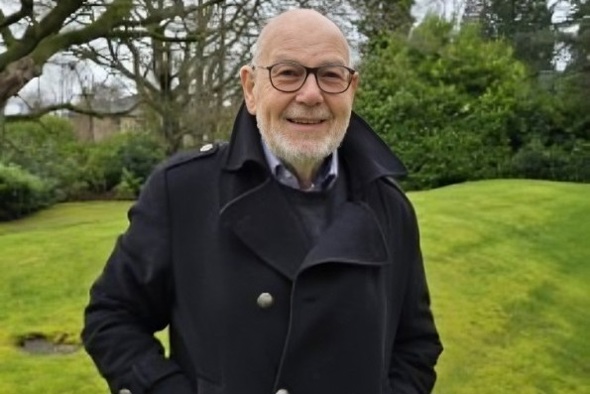
Jonathan said: “It was such a shock when I was diagnosed. I had several health issues and after many tests was eventually told that I was suffering from prostate cancer and that it had spread beyond the prostate wall to my bones. I was referred to The Christie Hospital for treatment and was prescribed hormone blockers. The side effects made me extremely tired; I was sleeping through the day on and off and I had frequent hot flushes and generally felt weak.
“When the nurse suggested lowering the dose I was not sure what to expect. The difference soon became apparent, and I felt normal again. I know that I will stay on the medication for as long as it is effective but, in the meantime, I am able to live a normal life. I now exercise more and do not usually need an afternoon sleep. Happily, my PSA level started to go down until, after a few months, it was undetectable and has, so far remained undetectable.
“My life has been transformed by the medication, my energy levels are higher, and I can socialise as normal. Traveling was a problem but now I can plan trips as long as I work around the 12-week cycle of injections and consultations. I am delighted that this trial has the potential to help other men going through the same thing in the future by enabling them to be treated for prostate cancer with their quality of life still largely intact.”
Christie consultant Professor Ananya Choudhury is leading the trial: “ENHANCE is a trial that’s been shaped with the help of patient and public involvement groups, and it has the potential to be life-changing for men. By making treatment more tolerable, we hope more patients will be able to stay on therapy for longer and gain the full benefit,” comments Professor Ananya Choudhury, Consultant Clinical Oncologist at The Christie and the lead for the trial.
“Manchester researchers played a key role in the trial that proved abiraterone’s effectiveness in the first place, so it’s brilliant that we’re also at the forefront of this next phase of research. Our main aim as clinicians is to treat cancer effectively while giving patients the best quality of life possible. The ENHANCE trial is a great example of how we’re doing just that.”