One of Europe’s leading cancer centres has appointed a specialist geriatrician to strengthen its pioneering service for older patients, as the NHS seeks to adapt to the growing challenge of an ageing population.
The Christie NHS Foundation Trust in Manchester has appointed Professor Martin Vernon, a nationally recognised expert in older people’s care, to help develop its Senior Adult Oncology Service. The service, launched 3 years ago, is already one of only a small number of dedicated programmes worldwide focused on supporting older cancer patients with frailty and complex health needs.
The medical oncologist, Dr Fabio Gomes, founder and co-lead for the Senior Adult Oncology programme at The Christie said: “Since launching our Senior Adult Oncology Service, we have seen first-hand the positive difference that specialist, multidisciplinary support can make for those more complex older patients with cancer living with frailty and multiple health conditions.
“Having known Martin Vernon for several years, I am delighted that he believed in our vision and his pioneering appointment brings outstanding national experience in geriatric medicine and NHS system leadership. He will enable us to develop new models of care that support the latest National Cancer Plan with a shift of care from hospital to community. Furthermore, Martin’s expertise will enable us to expand our service across more cancer pathways and improve outcomes and care for older patients at The Christie.”
Professor Vernon brings nearly 30 years of experience as a consultant geriatrician, alongside a national leadership role as former National Clinical Director for Older People at NHS England. His appointment marks a significant step in the evolution of The Christie’s service, which supports patients typically aged over 70 with frailty who are undergoing treatments such as chemotherapy or radiotherapy, with plans to extend support further into surgical care.
With the number of older people in the UK continuing to rise, cancer services are seeing increasing numbers of patients living with multiple health conditions alongside their diagnosis. These patients are more likely to experience complications during treatment and are less likely to complete cancer treatments as planned.
Professor Vernon said his new role offered a unique opportunity to bring together expertise in ageing and cancer care within a specialist centre.
“It’s a real privilege to work in a centre of excellence like The Christie,” he said. “Geriatric oncology is still a relatively new field in the UK, and there is a huge opportunity to understand what works best and how we can improve outcomes for older people with cancer.”
Geriatric oncology places greater emphasis on the whole person rather than just the disease. Older patients often live with clinical frailty, and may have reduced biological resilience, meaning they are more vulnerable to the side effects of treatment.
Professor Vernon explained that by working closely with oncologists and multidisciplinary teams, cancer treatment can be adapted to better suit each individual.
“If you take a more personalised, frailty-attuned approach, patients are more likely to complete treatment, experience fewer complications, and have better overall outcomes,” he said.
This can include adjusting chemotherapy doses, providing targeted physiotherapy, occupational therapy, or nutritional support, reviewing medications, and ensuring patients have the right support in place at home. The aim is not only to treat cancer effectively, but also to maintain a patient’s independence and quality of life.
A key part of Professor Vernon’s role will be expanding the reach of the service across the entire cancer pathway at The Christie. While the service currently focuses largely on patients undergoing non-surgical treatments, there are plans to extend geriatric expertise into surgical care and beyond.
“We want to make sure that frailty-attuned care is embedded across all cancer pathways,” he said. “That means supporting patients before, during and after treatment, and ensuring their wider health needs preferences and outcomes are fully considered.”
Professor Vernon also sees significant potential for research and innovation, helping to build the evidence base for geriatric oncology and share learning nationally and internationally.
Beyond The Christie, his appointment reflects the broader national shift in NHS strategy towards delivering more care in community settings. Drawing on his experience helping to shape national policy, Professor Vernon believes there is an opportunity to develop new models of “neighbourhood cancer care” for older patients in line with the ambitions of the national cancer plan and NHS 10 Year plan.
“Neighbourhood cancer care matters particularly for older people who may physically struggle to get into a centre of excellence like The Christie,” he said. “We need to think about how we deliver safe, high-quality cancer care closer to home, working across hospital, community and primary care services.”
This approach aligns with the NHS’s long-term ambition to move more care out of hospitals, while improving prevention and reducing avoidable admissions.
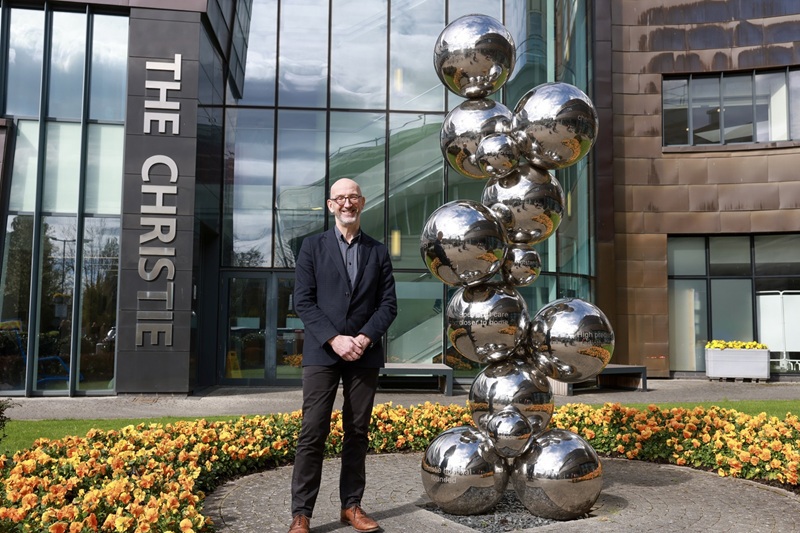
Professor Vernon has been at the forefront of this shift throughout his career. As National Clinical Director for Older People at NHS England between 2016 and 2020, he helped introduce routine frailty identification in general practice and led the development of the “Ageing Well” programme, which laid the foundations for today’s neighbourhood health models.
At The Christie, tools such as the clinical frailty scale are already embedded, and he plans to strengthen care for patients with conditions such as dementia and delirium, which are common among older people undergoing cancer treatment.
Central to this approach is the importance of multidisciplinary working. The Senior Adult Oncology Service brings together a wide range of professionals, including nurses, pharmacists, therapists and dietitians, to support patients holistically.
“Geriatric medicine is fundamentally a team effort,” he said. “It’s about bringing together all the expertise needed to support the whole person, not just their cancer.”
As well as delivering care, Professor Vernon is keen to equip more staff across The Christie with the skills to recognise and respond to frailty, helping to improve care for older patients throughout the organisation.
His passion for the field dates back to his early medical training in Manchester, where he first became interested in the impact of population ageing.
“I’ve been fascinated throughout my career by how we age and how we can enable people to age well,” he said. “When you work with older patients, you see the whole person and their life story, not just a diagnosis. That’s what makes my speciality so rewarding.”
As the population continues to age, the need for services like this is only expected to grow. The UK is currently experiencing the effects of the post-war “baby boom”, with increasing numbers of people living into older age and requiring more complex healthcare.
Professor Vernon believes The Christie is well placed to lead the way.
“This is about keeping pace with changing demand and making sure we’re delivering the best possible care for older people with cancer,” he said. “With the right support in place, we can make a real difference to patients’ outcomes and their experiences of care.”
Outside of work, Martin enjoys spending time with his growing family and keeping active. Having grown up in rural Leicestershire, he still enjoys getting outdoors, whether that’s walking or going to the gym. He also has a passion for music and plays guitar, describing himself as “like most doctors, not very good”, and has built up a collection of guitars over the years. When he gets the chance, he also enjoys travelling and seeing different parts of the world.